
A truly elevated garden comes alive at night through the interplay of light and foliage. The right outdoor wall light, paired thoughtfully with landscape plants, can transform your yard from a dark space into a captivating scene of depth and warmth. A durable, adjustable fixture like this aluminum outdoor wall lamp is the perfect tool to craft this visual symphony, blending practicality with stunning aesthetics.
Table of Contents
The Core Principle Light and Greenery in Harmony
Successful garden lighting is a two-way relationship:
- Light Defines Greenery: A well-placed wall light sculpts plants with shadow and highlight, emphasizing texture and form that disappears in the dark.
- Greenery Softens Light: Leaves and branches filter and diffuse harsh light, creating enchanting dappled patterns that feel organic and inviting.
- Form Meets Function: Choosing a weather-resistant, durable outdoor wall light (like an IP65-rated aluminum model) ensures it thrives alongside your plants, providing essential illumination while creating atmosphere.
Scene-by-Scene Pairing Guide
Scene 1: The Grand Entrance
Goal: Create a welcoming, impressive first impression.
- The Light: A dusk-to-dawn sensor wall light in black or bronze. It turns on automatically, offering constant hospitality.
- The Plants: Symmetrical statement plants like Boxwood globes, Olive trees, or climbing roses on trellises flanking the door.
- The Technique: Install lights at about 7-8 feet high, angled downward to graze the plant’s form and illuminate the path. The result is a dignified, guided entryway where light and foliage frame your home.
Scene 2: The Garden Pathway
Goal: Foster a sense of discovery and safe passage.
- The Light: Low-voltage LED path lights or motion-sensor wall sconces for soft, energy-efficient, and secure lighting.
- The Plants: Low-growing Lavender, ornamental grasses, or ferns along the path’s edge, with ivy or clematis climbing on adjacent walls.
- The Technique: Space lights 10-15 feet apart. Position them to wash light across textured plants and climbing vines, creating a “light corridor” with captivating shadows. The light should guide feet, not blind eyes.
Scene 3: The Water Feature
Goal: Enhance tranquility and visual interest.
- The Light: A waterproof (IP65+), warm-white (2700K) LED wall light. Warm light reflects beautifully on water.
- The Plants: Water lilies, Iris, or graceful Japanese Maples with cascading branches near the water’s edge.
- The Technique: Mount the light on a nearby wall or post to cast light across both the plants and the water’s surface. This creates a dance of light, leaf, and reflection that is utterly mesmerizing at night.
Scene 4: The Seating Area (Patio or Deck)
Goal: Build a cozy, intimate atmosphere for relaxation.
- The Light: A dimmable modern sconce or an uplight with a decorative shade for adjustable, glare-free ambiance.
- The Plants: Potted **Citrus trees, fragrant Gardenias, or large-leafed Fiddle Leaf Figs.
- The Technique: Place the light on a nearby wall to uplight or backlight the plants, making their shapes pop against the wall. This creates a soft, green backdrop for conversation, accented by natural scents.
Pro Tips for Masterful Composition
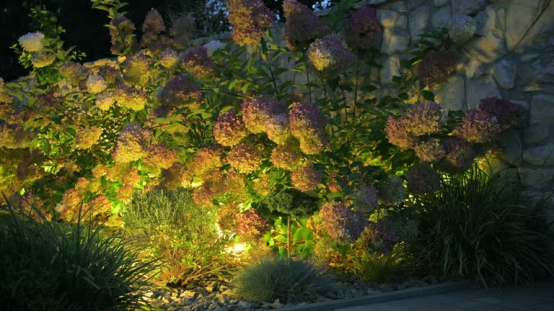
- Match Light Color to Foliage: Warm white (2700K-3000K) complements green leaves, making them lush. Use cool white (4000K+) sparingly, perhaps to make white flowers pop.
- Avoid Direct Glare: Never aim a light directly into a seating area or at eye level. Light the plants, and let the reflected glow illuminate the space.
- Layer the Light: Use taller lights for trees, mid-height sconces for shrubs, and low path lights for ground cover. This creates a rich, three-dimensional effect.
- Match the Style: Contemporary wall lights pair with sculptural succulents. Traditional lanterns belong with classic hedges and roses.
Mistakes to Avoid in Garden Lighting
- Using Overly Bright Lights: You’re illuminating a garden, not a stadium. Choose lower-wattage LEDs for a subtle glow.
- Letting Plants Overgrow the Lights: Prune regularly to maintain the intended light pattern and prevent shadows from becoming a tangled mess.
- Skipping Weatherproofing: Ensure your outdoor lights have a suitable IP rating (IP65 or higher) for longevity in damp plant environments.
- Mixing Too Many Light Colors: Stick to one color temperature per “room” in your garden for a cohesive look.
FAQ: Outdoor Wall Lights & Plant Pairing
Q1: What is the best height to install an outdoor wall light next to plants?
A: For general ambient lighting and highlighting medium-to-tall shrubs or small trees, install the light at 6-8 feet high. This height allows light to wash down over the plant’s form. For highlighting specific lower foliage or ground cover, 3-4 feet may be more appropriate.
Q2: Can outdoor wall lights harm my plants?
A: Modern LED outdoor wall lights produce very little heat and, when installed correctly (not touching foliage and not overly bright), will not harm plants. Avoid using old, high-wattage halogen fixtures directly against leaves, as the heat can cause damage.
Q3: What IP rating do I need for a wall light in a garden?
A: For general outdoor use where the light will be exposed to rain and sprinklers, an IP65 rating is ideal. For lights directly beside soil or in very damp, plant-dense areas, IP66 or IP67 offers maximum protection against dust and water ingress.
Q4: Warm white or cool white light for plants?
A: Warm white (2700K-3000K) is generally recommended. It makes green foliage appear lush and vibrant and creates a cozy, inviting atmosphere. Cool white light can make greens look washed out and creates a more sterile feel, though it can be used sparingly for dramatic effect.
Q5: How far apart should I space wall lights along a garden path?
A: For a balanced, even glow that guides without glaring, space lights 10 to 15 feet apart. The exact spacing depends on the light’s beam spread and brightness—check the manufacturer’s specifications for the “spacing criterion.”
Q6: Do I need an electrician to install outdoor wall lights?
A: Yes, for hardwired lights. Installing a new electrical circuit or connecting to an existing one requires a licensed electrician to ensure it’s safe and meets local codes. For plug-in or solar-powered models, DIY installation is often possible.
Why Aluminum Wall Lights Are a Garden Essential
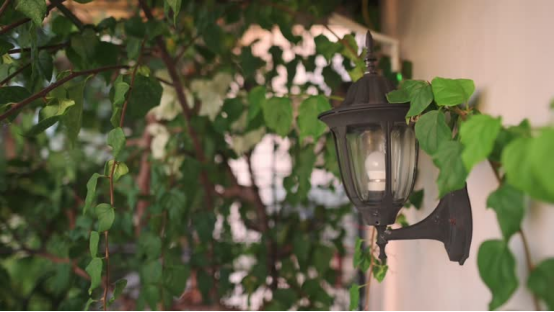
- Durability: Aluminum is rust-resistant and withstands the elements, making it ideal for the humid microclimate around plants.
- Design Versatility: Its sleek, classic profiles complement both modern and traditional gardens without overpowering the natural scenery.
- Smart Features: Options with photocells, motion sensors, and dimmers offer effortless control, adapting to your evening needs.
Illuminate Your Nighttime Garden
The art of pairing outdoor wall lights with plants is about creating dialogue between the built and the grown. A well-chosen fixture doesn’t just light a space; it reveals the hidden beauty of your garden after dark, extending your living space and enjoyment into the evening hours.
Ready to paint your garden with light? Explore durable aluminum outdoor wall lights to start designing your perfect nighttime landscape.