
The color of your outdoor wall light does more than add a decorative touch; it’s a crucial design element that can either harmonize with your home’s exterior or clash with it. Choosing the right hue ensures your fixture enhances your home’s architecture rather than distracting from it. This guide will help you select the perfect finish for a versatile aluminum outdoor wall lamp, whether your goal is seamless blending or stylish contrast.
Table of Contents
The 3 Core Principles of Color Coordination
1. Monochromatic Harmony: The Safe & Sophisticated Choice
This approach creates a cohesive, unified look by selecting a light color within the same color family as your siding.
- Best For: Modern, minimalist, or traditional homes where you want the fixture to feel like an integrated part of the architecture.
- How to Do It:
- For White or Light Gray Siding: Choose a light gray or brushed nickel outdoor wall light. The fixture will have subtle definition without stark contrast.
- For Dark Gray, Charcoal, or Black Siding: Opt for a matte black or dark bronze outdoor sconce. The fixture will recede into the wall, creating a sleek, intentional shadow.
- Why It Works: It’s elegant, timeless, and difficult to get wrong. The focus stays on the form of the light and the quality of its illumination.
2. Complementary Contrast: Creating a Focal Point
This strategy uses color to make the outdoor light fixture a deliberate standout feature.
- Best For: Adding visual interest to neutral siding or highlighting architectural details on Craftsman, Colonial, or Farmhouse styles.
- How to Do It:
- For Beige, Cream, or Warm-Toned Siding: A black outdoor wall light creates a classic, high-contrast look that frames an entryway beautifully.
- For Gray or Cool Blue Siding: A warm bronze or copper-toned light adds a touch of warmth and vintage character against the cool background.
- Pro Tip: Keep the contrast tasteful. Avoid pairing extremely bright or saturated light colors with equally bold siding. The goal is accentuation, not competition.
3. Material-Based Selection: Let Texture Guide You
Sometimes, the best color choice is informed by the material and finish of both the light and your home’s exterior.
- Best For: Homes with distinctive siding like stone, brick, stucco, or wood.
- How to Do It:
- For Stone or Brick: An oil-rubbed bronze or black matte finish complements the natural, earthy texture without shining too brightly against it.
- For Wood Siding (Cedar, Redwood): Black or dark bronze fixtures work well, as do unlacquered brass finishes that will develop a natural patina over time, echoing the wood’s aging process.
- For Stucco: Most colors work, but consider the stucco’s tone. A warm stucco pairs with bronze; a cool stucco pairs with black or gray.
Color Recommendations by Siding Type
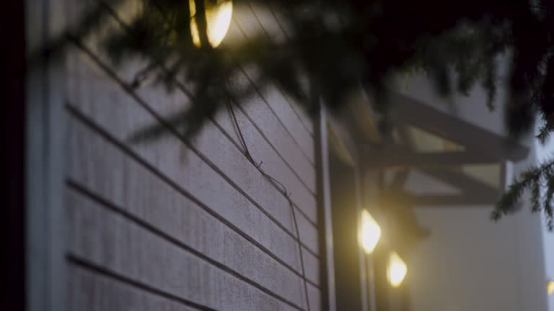
- White Siding: The ultimate blank canvas. Black offers crisp, classic contrast. Brushed Nickel or Gray provides a softer, more integrated look. Avoid white-on-white, as it can look washed out.
- Gray Siding (Light to Medium): Black remains a strong, modern choice. Dark Bronze adds sophisticated warmth. For a monochromatic scheme, select a satin gray outdoor wall light a few shades darker than the siding.
- Beige/Tan Siding: Black is the most popular and effective contrast. Oil-Rubbed Bronze is a warmer, more traditional alternative that complements the siding’s earthy tone.
- Red Brick or Earth-Tone Siding: Stick with dark, muted metals. Black, Dark Bronze, or Weathered Copper finishes will complement the rich colors without clashing.
- Blue or Green Siding: These are statement colors. Choose a neutral fixture to ground the look. Black is almost always a safe bet. A satin white or very light gray fixture can create a fresh, coastal feel with lighter blues.
Beyond Color: Other Factors to Consider
- Your Home’s Architectural Style: A traditional outdoor wall lantern often looks best in black, bronze, or brass. A modern outdoor sconce shines in black, white, or brushed steel.
- The Finish’s Undertone: Match warm undertones (beige siding, brass lights) with warm, and cool undertones (gray siding, nickel lights) with cool, for the most cohesive result.
- Hardware & Accents: Look at the other metal finishes on your home—door handles, house numbers, railings. Choosing a wall light finish that matches or complements these creates a pulled-together exterior design.
Frequently Asked Questions (FAQ)
- Q: What if my siding is multicolored or has a bold pattern?
- A: Simplify. Choose a light color that matches the dominant or darkest color in the pattern. Black is often the most unifying choice for complex exteriors.
- Q: Does the light color affect brightness or safety?
- A: No. Brightness is determined by the bulb (LED recommended) and the fixture’s design (glass clarity, open vs. closed top). Color is purely aesthetic.
- Q: I want to highlight my light as art. What color should I choose?
- A: For a sculptural outdoor wall lamp, choose a finish that pops against your siding. A matte black fixture on white siding, or a brushed brass fixture on dark gray siding, will draw the eye directly to its form.
Conclusion: The Final Touch on Your Home’s Exterior
Selecting the right color for your outdoor wall light is the final step in curating your home’s curb appeal. By considering your siding color, architectural style, and desired effect (blend or contrast), you can choose a fixture that looks like it was always meant to be there.
Find the perfect finish to complete your home’s look. Browse versatile aluminum outdoor wall lights in multiple finishes to find your ideal match.