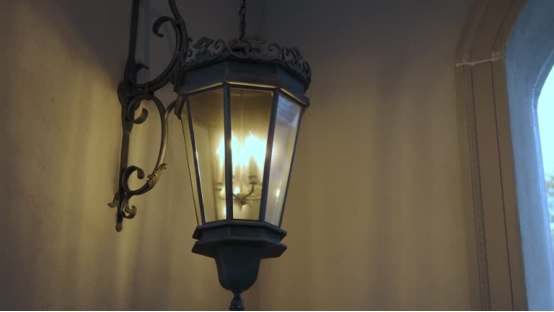
The durability, safety, and performance of outdoor wall lights are closely related to material selection. Plastic can age quickly, iron rusts easily, and cast aluminum, while durable, is heavy. Aluminum alloy has emerged as the mainstream choice due to its lightweight, strong, and fast heat-dissipating properties. This makes it especially suitable for solar outdoor wall lights and LED outdoor wall lights, which require both functionality and long-term durability. This guide breaks down material comparisons, the advantages of aluminum alloy, and key selection criteria, helping you understand why to choose aluminum alloy and how to select the right outdoor wall light.
Table of Contents
Material Comparison: Four Common Types and Why Aluminum Alloy Wins
Outdoor wall lights commonly use plastic, iron, cast aluminum, and aluminum alloy. Material properties directly affect lifespan and performance:
- Plastic: Lightest (1–2 kg), but poor corrosion resistance. High heat or sunlight can warp it; low temperatures can cause brittleness. Lifespan: 1–2 years. Poor heat dissipation can damage internal LEDs or batteries.
- Iron: Medium weight (2–3 kg). Rusts easily under rain, requires frequent maintenance. Lifespan: 2–3 years. Suitable mainly for semi-outdoor or sheltered areas.
- Cast Aluminum: Heavy (3–5 kg), good corrosion resistance, lifespan 5–8 years. Ideal for retro styles, fixed installations. Requires two people for installation and wall reinforcements.
- Aluminum Alloy: Lightweight (1.5–2.5 kg), excellent corrosion resistance through a natural oxide layer. Heat dissipation far exceeds other materials. Lifespan 5–8 years. Compatible with solar and LED outdoor wall lights, offering a balanced combination of durability, weight, and thermal performance.
For example, the aluminum alloy solar outdoor wall light remains stable in temperatures ranging from -20°C to 60°C, making it ideal for long-term outdoor use.
Three Core Advantages of Aluminum Alloy Outdoor Wall Lights
Aluminum alloy is not just a compromise—it solves three major outdoor lighting pain points:
1. Lightweight & Easy to Install
- Aluminum alloy lights weigh about 2 kg—half that of cast aluminum. Single-person installation is feasible.
- Ordinary brick or concrete walls need only two 6mm screws; no extra reinforcement required. Installation efficiency improves by over 50%.
- Reduced wall stress and easier high-level installation make aluminum alloy ideal for balconies and lightweight walls.
2. Strong & Durable: Corrosion & Impact Resistant
- Corrosion resistance: Naturally forms a 0.01–0.02mm thick oxide layer, shielding against air, rain, and salt. High-quality models may include electrophoretic oxidation + powder coating, achieving >0.03mm thickness and passing 1000-hour salt spray tests.
- Impact resistance: Aluminum alloy has superior toughness, enduring 10kg/cm² impact without cracking. Perfect for homes with children, pets, or busy entrances.
3. Fast Heat Dissipation: Protect LEDs & Batteries
- LED protection: Aluminum alloy’s thermal conductivity (~200 W/m·K) is higher than cast aluminum (~150 W/m·K) and thousands of times higher than plastic. Heat disperses quickly, keeping LED temperature below 40°C, extending life by over 50%.
- Battery protection for solar lights: Solar outdoor wall lights’ lithium batteries are temperature-sensitive. Aluminum alloy bodies reduce internal temperatures by 10–15°C, maintaining >80% capacity and improving charging efficiency by 20%.
Three Key Selection Indicators for Aluminum Alloy Outdoor Wall Lights
Not all “aluminum alloy” lights are high quality. Focus on:
- Material purity: Prefer 6063 aluminum alloy with magnesium (0.45–0.9%) and silicon (0.2–0.6%). Avoid recycled “mixed” aluminum, which oxidizes and reduces heat dissipation efficiency.
- Wall thickness: ≥1.5mm. Ensures strength, prevents deformation, and balances weight.
- Surface treatment: Prefer electrophoretic oxidation + powder coating for durability and aesthetics. Pure anodized finishes offer metal sheen but require more maintenance. Avoid painted-only products which fade or peel within 1–2 years.
Recommended Scenarios for Aluminum Alloy Outdoor Wall Lights
- Solar Outdoor Wall Lights: Lightweight, easy to mount, and protects batteries from heat.
- LED Outdoor Wall Lights: Fast heat dissipation protects LEDs from light decay, suitable for entrances, garages, or areas with frequent use.
- High-Level Installations: Lightweight reduces installation risks and avoids additional wall reinforcements.
- Humid or Coastal Areas: Excellent corrosion resistance withstands moisture and salt exposure, outperforming cast aluminum and iron.
Selecting aluminum alloy outdoor wall lights ensures long-lasting performance, low maintenance, and safe operation.
Conclusion
The core needs for outdoor lighting are long-term stability and minimal maintenance. Aluminum alloy meets these requirements with lightweight design, durability, and rapid heat dissipation, making it the ideal choice for modern solar and LED outdoor wall lights. Choosing 6063 aluminum alloy, ≥1.5mm wall thickness, and electrophoretic oxidation coating guarantees safe, reliable, and aesthetically pleasing lighting for your outdoor spaces.